

Abstract:
This journal article provides an in-depth exploration of the pivotal role played by multidisciplinary meetings in the field of Head and Neck Radiology at the University of Nairobi. Led by Dr. Callen Onyambu, Chairperson of the Department of Diagnostic Imaging and Radiation Medicine, these meetings serve as a forum for collaborative discussions on complex cases, ultimately enhancing patient management and care.
-
Introduction:
Head and Neck Radiology is a specialized field within radiology, focusing on the diagnostic imaging and procedures of anatomical structures in the head and neck region, excluding the central nervous system. At the University of Nairobi, multidisciplinary meetings have emerged as a cornerstone in the management of challenging cases in this subspecialty.
-
Structure and Composition of Meetings:
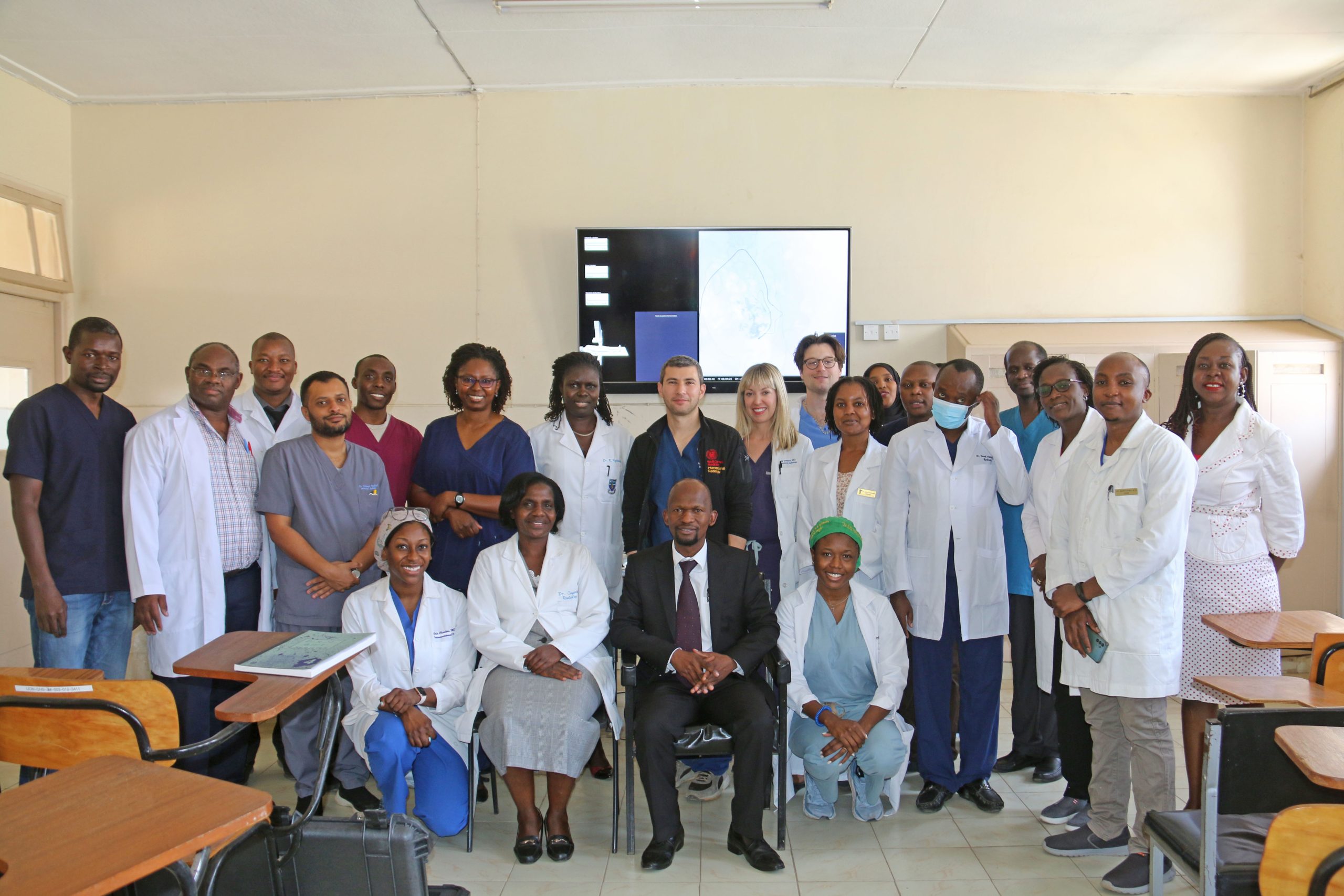
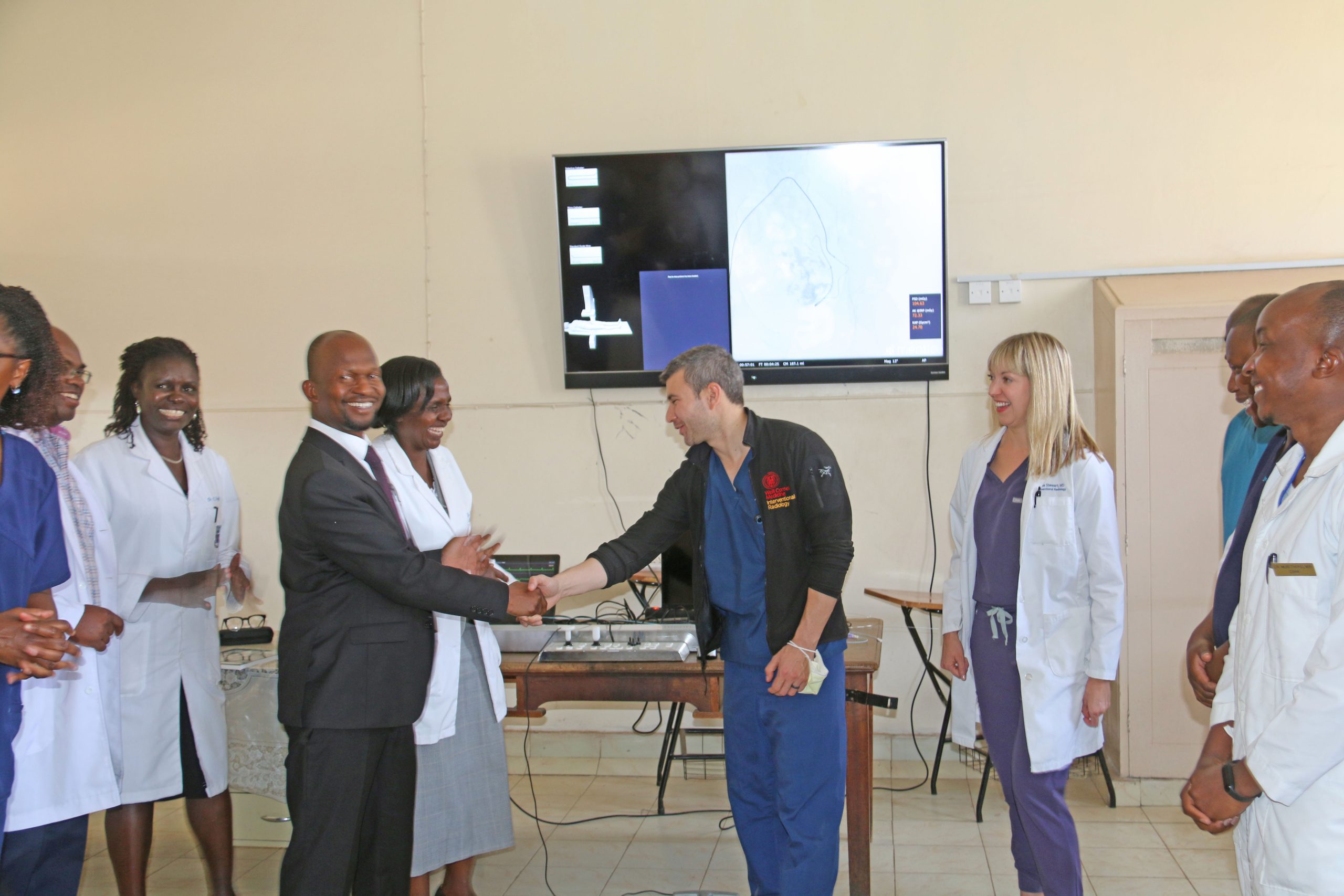
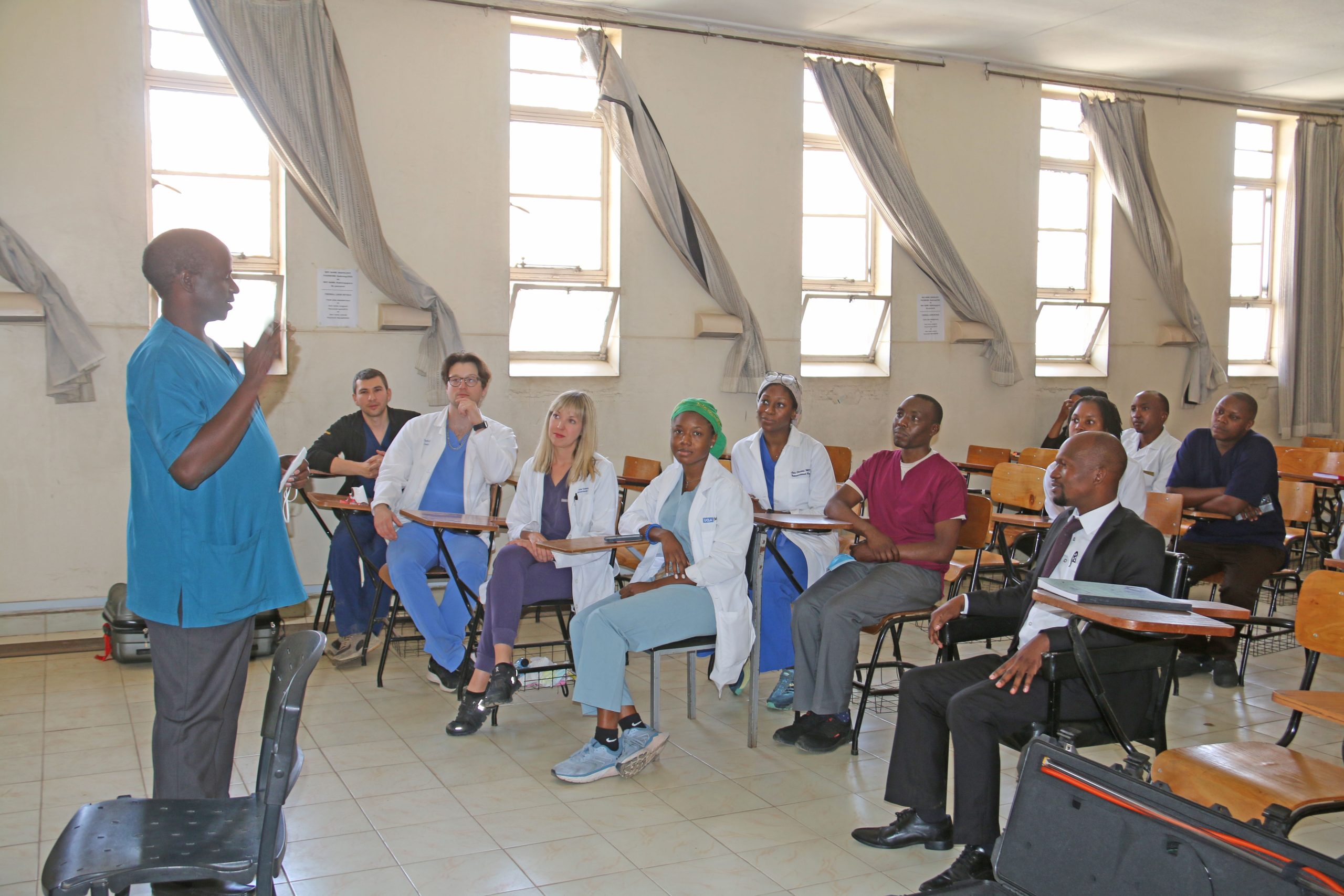
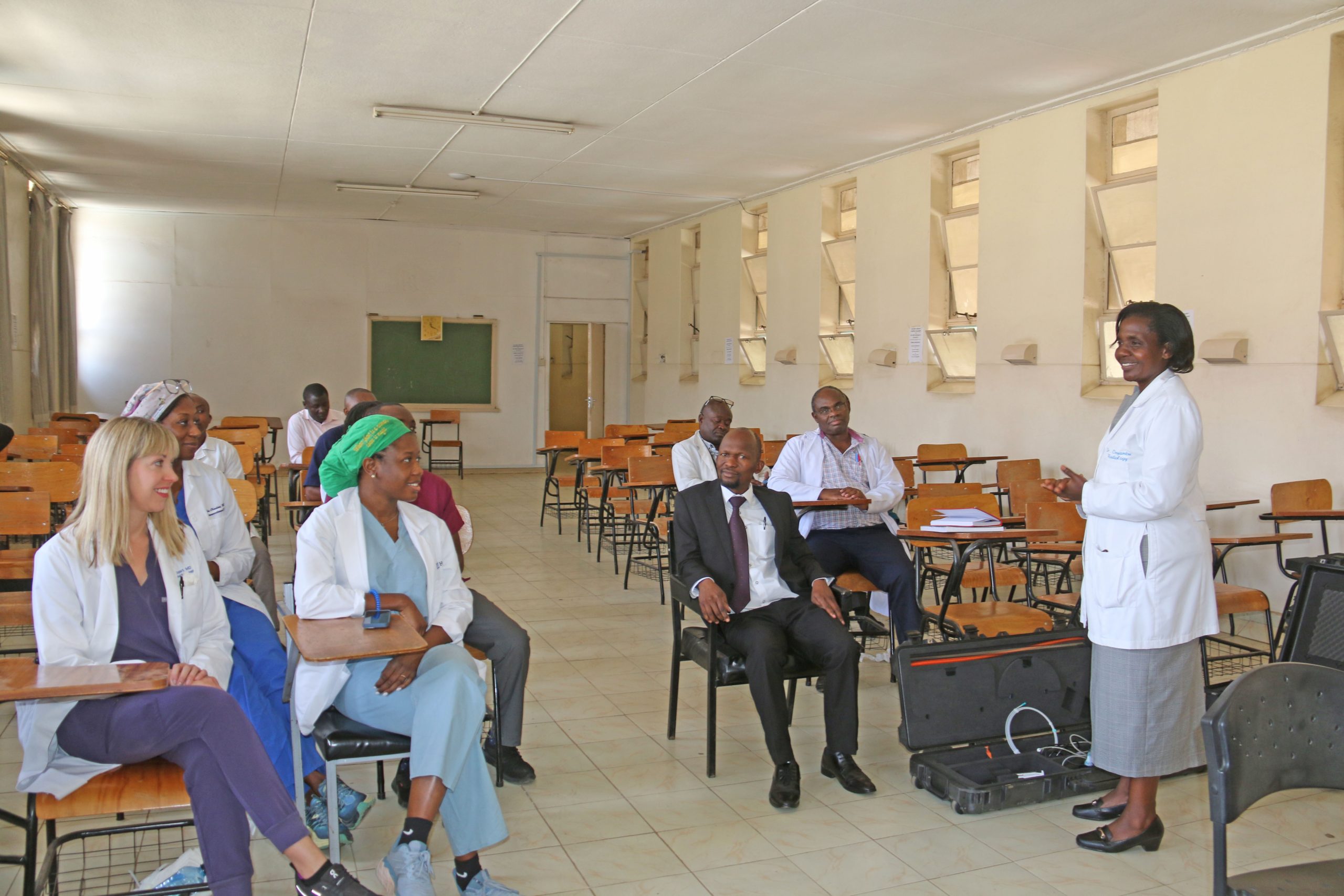
The weekly multidisciplinary meetings bring together experts from the Department of Diagnostic Imaging and Radiation Medicine and the Ear, Nose, and Throat (ENT) department. These sessions are facilitated by faculty members, with residents taking an active role in steering discussions.
-
Dr. Callen Onyambu: A Visionary Leader:
Dr. Callen Onyambu, the Chairperson of the Department of Diagnostic Imaging and Radiation Medicine, plays a central role in chairing these meetings. With extensive expertise in both radiology and the management of head and neck conditions, Dr. Onyambu provides invaluable insights and guidance during discussions.
-
Case Discussions and Patient Management:
The heart of these meetings lies in the thorough examination of challenging head and neck cases. Through a collaborative approach, radiologists and ENT specialists analyze imaging studies, including cross-sectional techniques and conventional radiography, to arrive at comprehensive diagnostic conclusions. This process informs decisions regarding treatment planning and patient care.
-
Educational Opportunities for Residents:
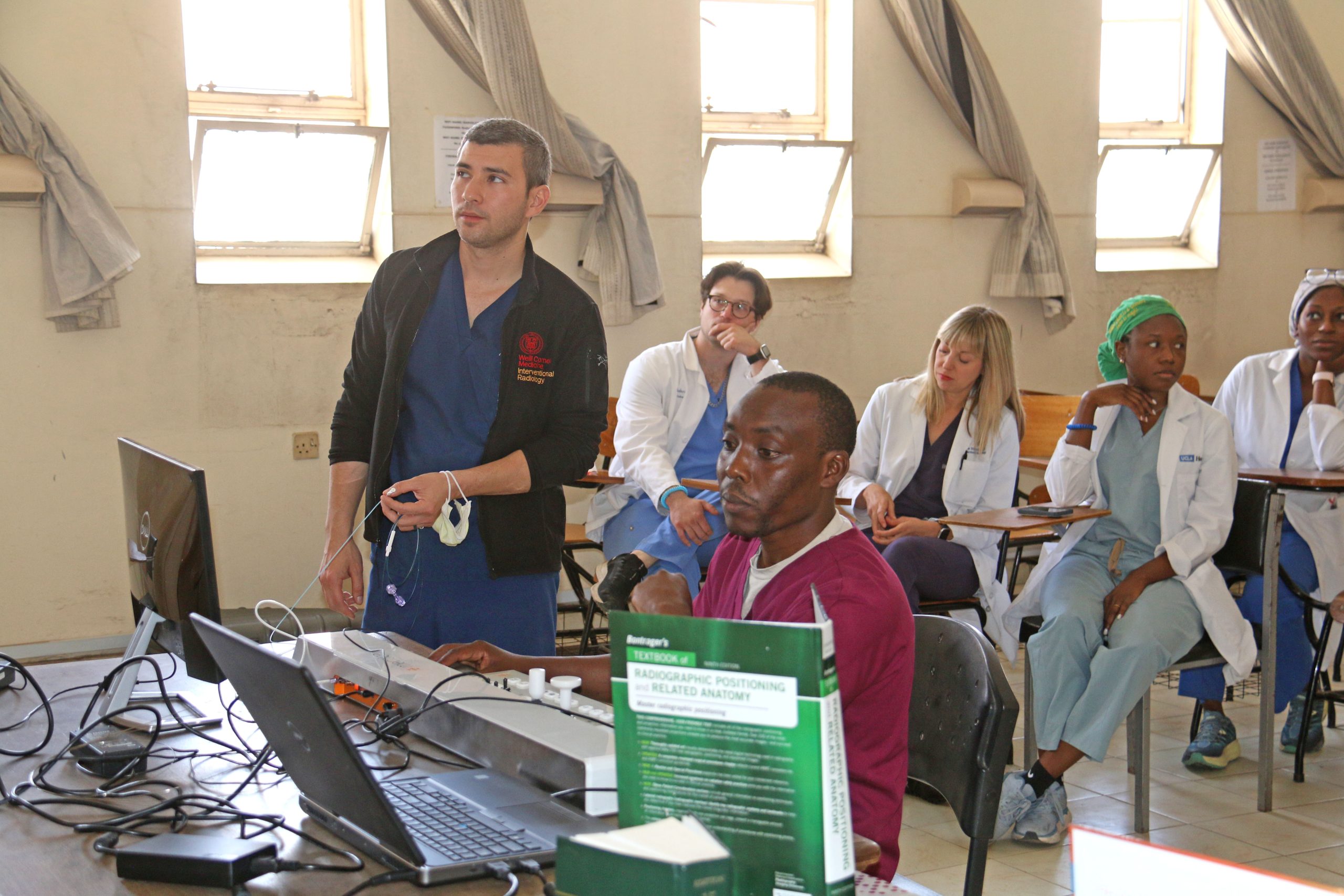
Multidisciplinary meetings serve as invaluable learning experiences for residents in both radiology and ENT. Through active participation in case discussions, residents gain exposure to complex clinical scenarios, learn from the expertise of faculty members, and develop critical thinking skills essential for their future practice.
-
Enhancing Patient Outcomes:
The collaborative nature of these meetings leads to well-informed and coordinated patient management strategies. By leveraging the collective expertise of radiologists and ENT specialists, the University of Nairobi is able to provide the highest standard of care for patients with head and neck conditions.
-
Fostering a Culture of Continuous Learning:
Beyond immediate patient care, the multidisciplinary meetings foster a culture of continuous learning and professional development. The exchange of knowledge and expertise among attendees contributes to the ongoing growth of both departments.
-
Future Directions:
As the field of Head and Neck Radiology continues to evolve, the University of Nairobi remains committed to advancing patient care through multidisciplinary collaboration. The institution looks forward to further expanding its educational initiatives and research endeavors in this subspecialty.
Conclusion:
The multidisciplinary Head and Neck Radiology meetings led by Dr. Callen Onyambu at the University of Nairobi exemplify the transformative impact of collaborative discussions in healthcare. By bringing together experts from radiology and ENT, these meetings play a vital role in optimizing patient care, providing a model for excellence in the management of complex head and neck conditions.
