


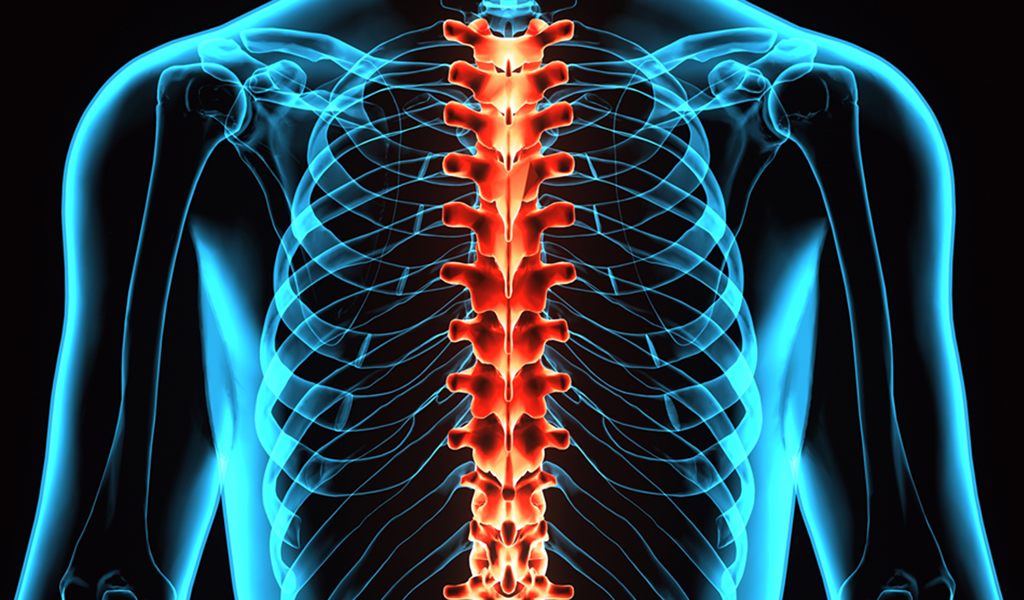
Unveiling the Future of Diagnostic Excellence
Introduction:
In recent years, the field of medical imaging has undergone a remarkable transformation with the advent of Digital Radiography (DR). This revolutionary technology has not only enhanced the precision and efficiency of diagnostic procedures but has also opened new frontiers in patient care. This publication delves into the groundbreaking impact of Digital Radiography and its pivotal role in advancing modern healthcare.
Section 1: The Evolution of Radiography
1.1. From Film to Digital:
Digital Radiography marks a significant departure from traditional film-based radiography. By capturing and processing X-ray images electronically, DR eliminates the need for chemical processing, leading to faster results and reduced environmental impact.
1.2. Enhanced Image Quality:
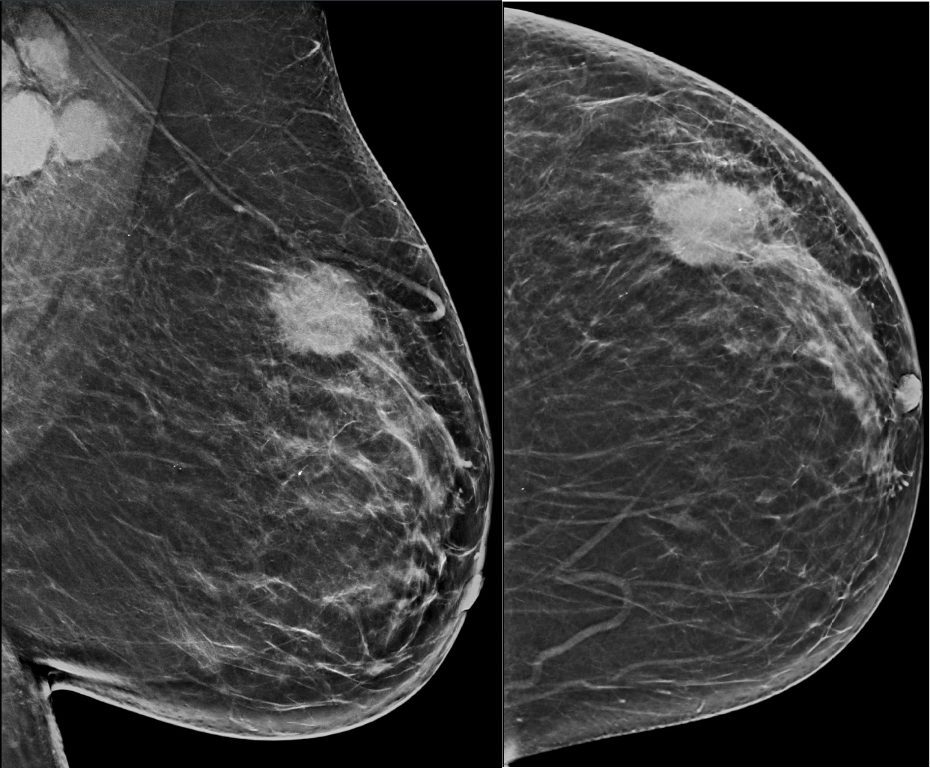
Digital Radiography produces high-resolution images with exceptional clarity and contrast. This allows for more accurate and detailed assessments of anatomical structures, aiding in the early detection and diagnosis of various medical conditions.
Section 2: Advantages of Digital Radiography
2.1. Speed and Efficiency:
DR offers near-instantaneous image acquisition, enabling healthcare providers to quickly assess a patient’s condition. This rapid turnaround time is particularly crucial in emergency situations, ensuring timely intervention.
2.2. Radiation Dose Optimization:
DR technology allows for precise control of radiation exposure, resulting in lower doses for patients without compromising image quality. This reduction in radiation exposure is especially beneficial for sensitive populations such as children and pregnant women.
2.3. Improved Workflow:
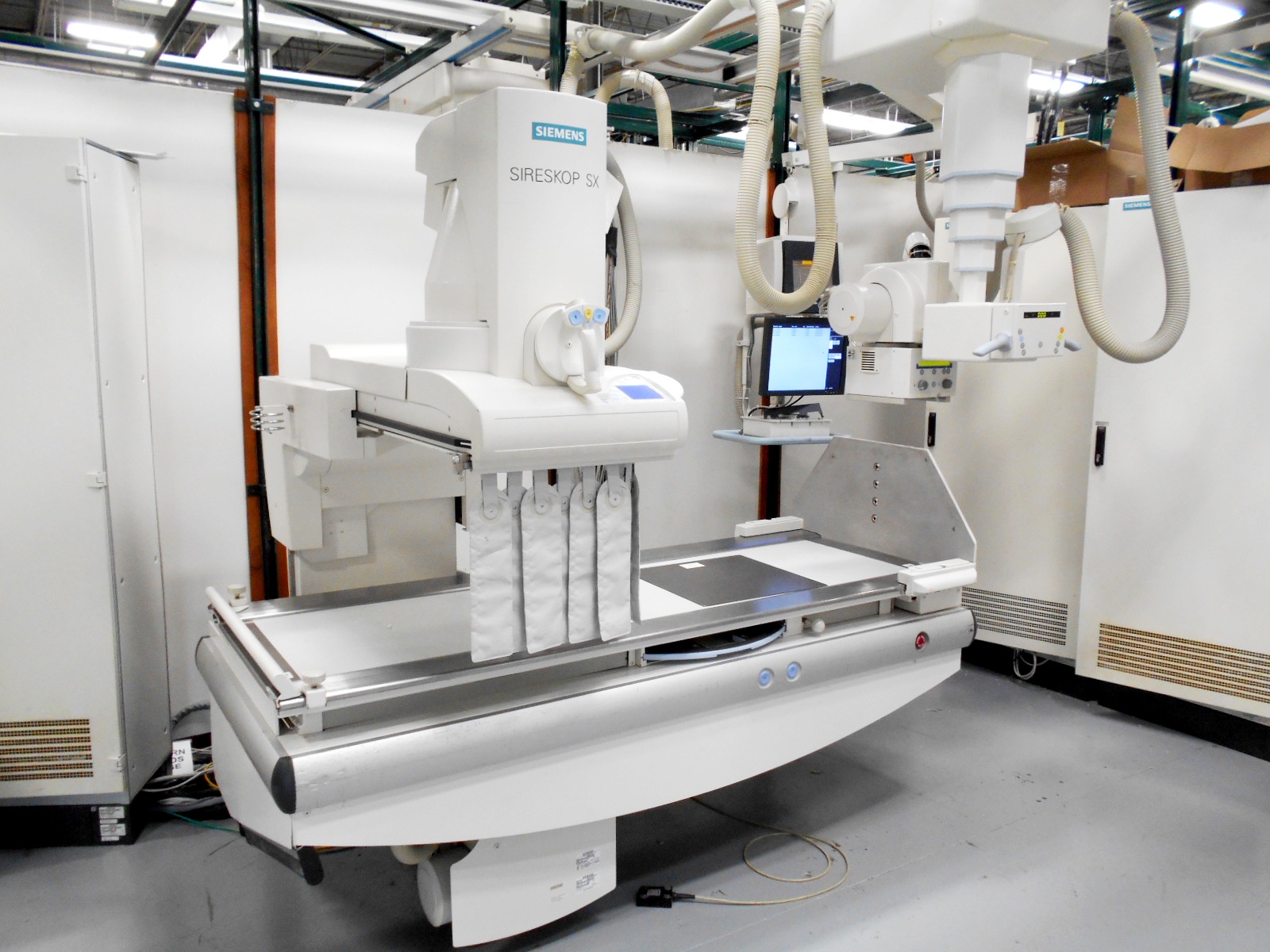
The seamless integration of Digital Radiography into healthcare systems streamlines the imaging process. Images can be viewed, stored, and shared electronically, facilitating efficient collaboration among healthcare providers and specialists.
Section 3: Applications Across Specialties
3.1. Orthopedics and Trauma:
Digital Radiography plays a pivotal role in the assessment of bone fractures, joint abnormalities, and musculoskeletal injuries. Its high resolution and real-time imaging capabilities aid in precise diagnosis and treatment planning.
3.2. Cardiology and Vascular Imaging:
In cardiology, DR enables detailed evaluations of the heart and vascular system. It is instrumental in diagnosing conditions such as coronary artery disease, congenital heart defects, and vascular abnormalities.
3.3. Pulmonology and Chest Imaging:
Digital Radiography is indispensable in the evaluation of respiratory conditions, allowing for the detection of lung diseases, infections, and the monitoring of treatment progress.
Section 4: The Future of Healthcare Imaging
4.1. Artificial Intelligence Integration:
The fusion of Digital Radiography with artificial intelligence (AI) promises to revolutionize medical imaging further. AI algorithms can assist in image interpretation, enhancing diagnostic accuracy and efficiency.
4.2. Telemedicine and Remote Access:
Digital Radiography facilitates telemedicine initiatives, enabling healthcare providers to remotely review and discuss imaging studies. This is particularly valuable for consultations with specialists and for patients in underserved areas.
Conclusion:
The Digital Radiography Revolution is reshaping the landscape of healthcare imaging, empowering healthcare providers with advanced tools for precise diagnosis and treatment. Through its numerous advantages and continued technological innovations, Digital Radiography is paving the way for a future where patient care is more efficient, accurate, and accessible than ever before.
