
Abstract:
This journal article explores the pivotal role played by the University of Nairobi in advancing radiation medicine education in Kenya. Through its dedicated training programs, state-of-the-art facilities, and collaborative partnerships, the University has significantly contributed to the development of skilled radiation oncologists and radiologists, ultimately improving cancer care and diagnostic services in the region.
Introduction:
Radiation medicine is a critical component of comprehensive cancer care and diagnostic imaging services. In Kenya, the University of Nairobi has emerged as a leading institution in the training of professionals in this field. This article highlights the University’s commitment to enhancing healthcare delivery through radiation medicine education.
Historical Perspective:
The University of Nairobi’s involvement in radiation medicine training dates back to the establishment of the Department of Clinical Oncology in the early 1980s. Since then, the University has continually expanded its programs, keeping pace with advancements in technology and evolving healthcare needs.
Comprehensive Training Programs:
The University of Nairobi offers a range of training programs in radiation medicine, including:
- Bachelor of Medicine and Bachelor of Surgery (MBChB) with a focus on clinical oncology.
- Master of Medicine (MMed) in Clinical Oncology, providing specialized training for future oncologists.
- Diploma and Certificate programs in Medical Radiography and Imaging, ensuring a skilled workforce for diagnostic imaging services.
These programs combine rigorous academic coursework with hands-on clinical training, equipping graduates with the expertise needed to excel in the field of radiation medicine.
Cutting-Edge Facilities:
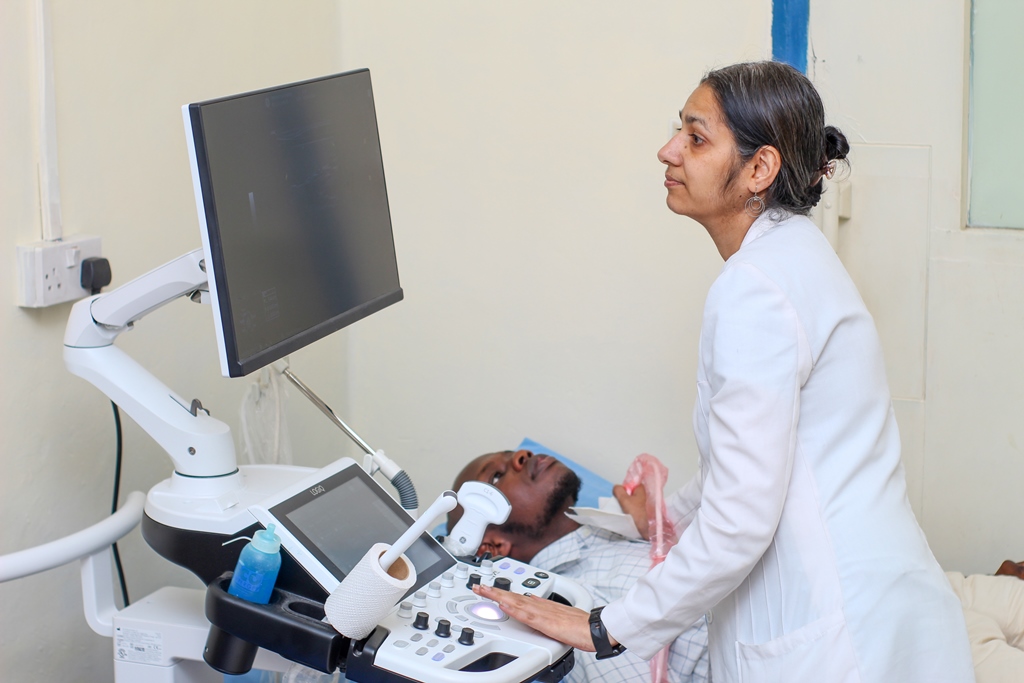
The University of Nairobi boasts state-of-the-art radiation therapy and diagnostic imaging facilities. These include modern linear accelerators, CT simulators, brachytherapy units, and advanced imaging modalities. These resources not only facilitate high-quality training but also contribute to the provision of top-tier clinical care to patients.
Research and Innovation:
The University of Nairobi’s Department of Clinical Oncology is at the forefront of cancer research in the region. Ongoing studies encompass a wide range of topics, from treatment outcomes and cancer epidemiology to advancements in radiation therapy techniques. This research not only enriches the academic experience for students but also informs clinical practice and policy decisions.
Collaborative Partnerships:
The University of Nairobi has forged collaborations with international institutions, including renowned cancer centers and universities. These partnerships facilitate knowledge exchange, capacity-building, and opportunities for students and faculty to engage in global research initiatives.
Impact on Healthcare Delivery:
The graduates of the University’s radiation medicine programs play a vital role in Kenya’s healthcare system. They contribute to the delivery of radiation therapy services, lead multidisciplinary cancer care teams, and provide expertise in diagnostic imaging. This has a direct and positive impact on patient outcomes and the overall quality of cancer care in Kenya.
Future Directions:
As the demand for radiation medicine services continues to grow, the University of Nairobi remains committed to expanding and refining its training programs. This includes exploring new technologies, enhancing research endeavors, and strengthening international collaborations to ensure that Kenyan healthcare professionals remain at the forefront of radiation medicine practice.
Conclusion:
The University of Nairobi’s dedication to radiation medicine education has significantly elevated the standard of cancer care and diagnostic imaging services in Kenya. Through comprehensive training programs, cutting-edge facilities, and impactful research, the University continues to shape the future of radiation medicine in the region, ultimately improving the lives of countless patients.
